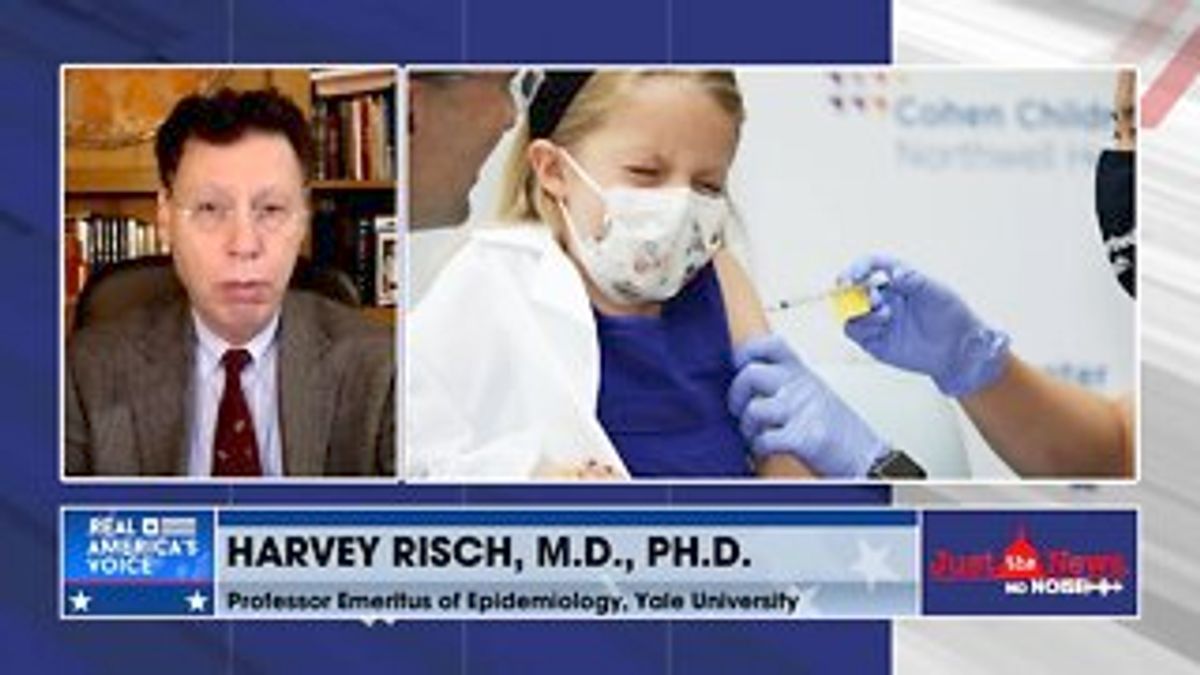
CDC cuts childhood vaccine schedule, causing uproar among many
ATLANTA — The Centers for Disease Control and Prevention announced Monday a significant revision to the recommended U.S. childhood immunization schedule, reducing the number of routine vaccines for children in what officials described as an effort to rebuild public trust following declines during the COVID-19 pandemic.
The updated schedule, effective immediately, aligns U.S. recommendations more closely with those of other developed nations. A comprehensive review ordered by President Donald Trump in December compared U.S. practices with those of 20 peer countries and concluded that the United States has been a global outlier in both the number of diseases targeted by routine childhood vaccines and the total number of recommended doses.
The assessment found that countries with fewer recommended vaccines do not experience lower childhood vaccination rates than the United States.
Deputy Health and Human Services Secretary Jim O’Neill, serving as acting CDC director, signed off on the changes following the review. Health and Human Services Secretary Robert F. Kennedy Jr. described the decision as a step toward greater transparency and informed consent.
"President Trump directed us to examine how other developed nations protect their children and to take action if they are doing better," Kennedy said in a statement. "After an exhaustive review of the evidence, we are aligning the U.S. childhood vaccine schedule with international consensus while strengthening transparency and informed consent. This decision protects children, respects families, and rebuilds trust in public health."
Under the revised framework, vaccines recommended for all children will protect against 11 diseases: measles, mumps, rubella, polio, pertussis, tetanus, diphtheria, Haemophilus influenzae type b (Hib), pneumococcal disease, human papillomavirus (HPV), and chickenpox. Vaccines will continue to be categorized into three groups — those recommended for all children, those for high-risk groups, and those based on shared clinical decision-making.
All CDC-recommended vaccines will remain fully covered by insurance with no cost-sharing.
Senior HHS officials said the overhaul addresses a drop in public confidence in health institutions during the pandemic, which coincided with declining childhood vaccination rates for routine immunizations.
"Public health works only when people trust it," said FDA Commissioner Dr. Marty Makary.
The changes come amid ongoing scrutiny of federal health agencies and follow Trump's directive for a nationwide review of childhood immunization practices. The CDC previously withdrew guidance recommending hepatitis B vaccination for newborns, part of the broader reevaluation.
This is a developing story.
--REAL AMERICA'S VOICE
#####
 Dow Jones closes at record high with nearly 600-point gain after US makes moves on VenezuelaNext PostTrump tells Iran to let protestors be free or else
RAV LIVE AT CPAC TEXAS DAY 1

OFFICIAL TRUTH BOMB VIDEO JUST OUT!
