America Is Arguing About Free Speech-The World Is Putting People in Prison for It
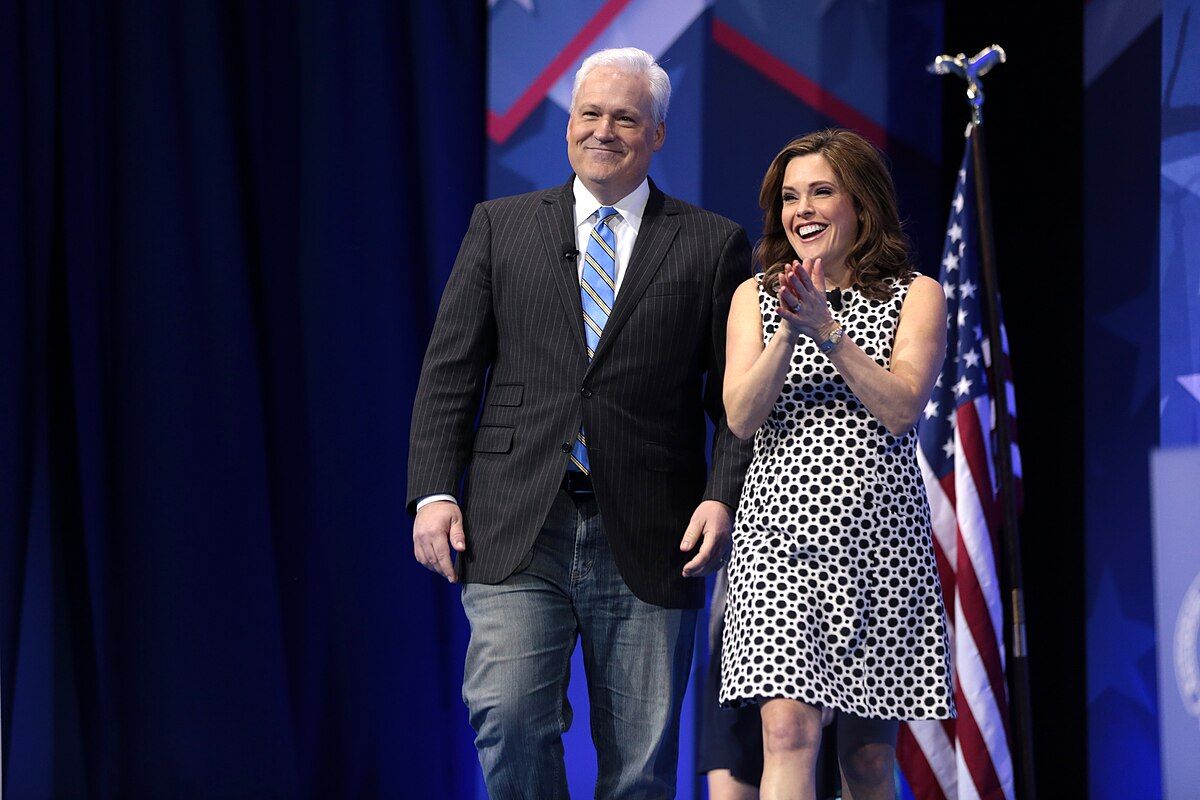
By Matt Schlapp
As the freest nation in the world, America has long understood the value of free speech—not as an abstract ideal, but as a fundamental right.
CPAC’s newly released 2025 “Freedom of Speech Around the World Ratings,” cut through the noise with a simple question: Does a country imprison or execute citizens for speech protected by the U.S. First Amendment? The purpose is not to deny America’s internal struggles, but to draw a clear line between nations that debate speech and those that punish it with prison or death.
President Donald J. Trump underscored the stakes during his most recent Cabinet meeting, warning that America is nearing a consequential turning point, one in which the nation must decide whether to restore trust and order in its institutions, or follow other countries down a path where breakdown is met not with reform but with censorship.
This debate is real. But a volatile argument is not the same as criminalization. Having different political views should not result in violence or jail.
We have already seen alarming flashes of how volatile debates over speech and ideology have become in America. The assassination of Charlie Kirk underscored those dangers in stark terms. Universities should be places where young people learn to engage ideas, challenge arguments, and think for themselves not arenas where disagreement turns hostile or deadly.
The results of CPAC’s ratings should sober every American.
The worst offenders, Iran, North Korea, Russia, and Syria, score zero. These regimes openly imprison or execute people for words and ideas. More troubling, however, are developed democracies that still describe themselves as free. Several now jail citizens for speech that would be constitutionally protected in the United States.
In Switzerland, a man was sentenced to jail for insulting a journalist. In the United Kingdom, a citizen spent months behind bars for posting stickers labeled “hate speech,” many criticizing illegal immigration and public-safety failures. British authorities later acknowledged ideology played a role in the punishment.
France, Germany, and Canada all score just 20 percent in CPAC’s index. In Canada, the consequences are especially stark. A father, Robert Hoogland, served prison time for refusing to use compelled language regarding his daughter’s gender identity. His crime was not violence or harassment, it was speech, and a refusal to surrender parental conscience to the state.
Australia, often assumed to be a free-speech peer of the United States, also scores poorly. After a religiously motivated stabbing incident, authorities responded not by reinforcing public order but by expanding speech restrictions and online censorship. Using tragedy to justify silencing dissent has become an increasingly common pattern abroad.
This is how free societies slide. Governments do not begin by banning obvious truths. They start by criminalizing offense, tone, or dissenting ideology. Over time, disagreement itself becomes punishable, debate gives way to intimidation, and silence replaces persuasion.
The United States still stands apart.
America received a perfect score in CPAC’s ratings—not because we are flawless, but because we remain the only nation on Earth with both a constitutional guarantee of free speech and a judicial system that still enforces it. Even amid fierce internal debate, speech in America remains a right, not a privilege. That makes the United States not just an outlier, but a model that other nations should be moving toward, not away from.
But a strong score today is not a permanent guarantee.
America’s free-speech culture depends not only on laws, but on restraint. Political movements across the spectrum are free to argue their case in the marketplace of ideas. What must be resisted is the temptation to silence opponents through state power, mob intimidation, or violence.
There have been close calls. The prosecution of Douglas Mackey for a political meme tested the limits of speech protection. His conviction was later overturned on appeal, and he never spent a day in prison. That outcome matters. When free speech survives the close cases, the culture remains free. When it fails, conformity follows.
The lesson for Americans is not complacency, it is vigilance. Around the world, prison cells reveal what happens when nations choose control over debate. The United States still has time to choose wisely, but only if freedom is defended before it is rationed.
To view the full CPAC Freedom of Speech Ratings and country scorecards, click HERE.
Matt Schlapp is Chairman of the Conservative Political Action Coalition (CPAC)
#####
 Education Department to start garnishing wages next year for those who defaulted on student loansNext PostTrump endorses GOP Rep. Harriet Hageman for Wyoming senator
Related Posts


WATCH TPUSA'S ALL-AMERICAN HALFTIME SHOW

